The Nature of Chance in Gambling
In the world of gambling, chance plays a pivotal role that often overshadows skill and strategy. Most casino games, such as slots, roulette, and dice games, are fundamentally designed around probability and luck. This inherent randomness is what draws players in, as the thrill of an unexpected win can sometimes outweigh the likelihood of loss. For those interested in exploring new betting sites , understanding how chance operates within these games adds an intriguing layer to the overall gaming experience. The very essence of gambling is entwined with the unpredictable nature of luck, making every visit to the casino a unique adventure.
Many people come to casinos with the hope of hitting a jackpot or scoring a big win, believing that their fortunes can change in an instant. The unpredictability of chance gives players a sense of excitement and anticipation, reinforcing the idea that anything can happen. For instance, while poker may involve strategic play, the hand dealt at the beginning is entirely based on luck, demonstrating that even skillful players cannot escape the influence of chance. This dynamic often leads to stories of miraculous wins that circulate among players, further enhancing the allure of gambling.
Moreover, the psychological impact of chance cannot be overlooked. Players often engage in ‘magical thinking,’ believing that they can somehow influence luck through rituals or superstitions. This belief can lead to a more engaging experience but also result in poor decision-making when players chase their losses, thinking that their next bet is bound to be lucky. In essence, the role of chance in gambling creates a compelling narrative that captivates and often overwhelms the rational mind, illustrating how luck can be both a friend and a foe in the gambling arena.
The Odds and Probability in Casino Games
Casino games are built around specific odds that determine the likelihood of various outcomes. These odds are carefully calculated to ensure that the house maintains a profit over time, regardless of the players’ luck. Understanding these probabilities can significantly impact how players approach their games. For instance, games like blackjack allow players to use strategy to minimize the house edge, but the luck of the draw still plays a crucial role in the outcomes. This balance between skill and chance is what makes blackjack particularly appealing to many players.
In contrast, games like slots are entirely reliant on luck, with no strategic element involved. Each spin is independent of the last, and players have no influence over the outcome. This randomness is what makes slots thrilling for many, as the excitement of hitting a winning combination is purely based on chance. Players often find themselves caught in a cycle of hopes and expectations, often unaware of the long-term statistical realities behind their favorite games. This disconnect between perception and reality can lead players to underestimate the role of chance in their gaming experiences.
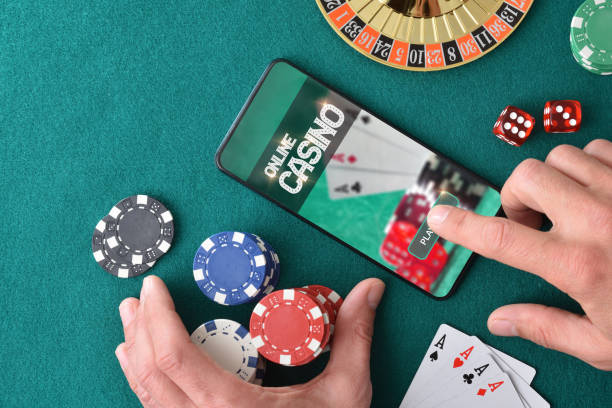
The notion of probability extends beyond the games themselves. Many players rely on past results to predict future outcomes, despite the fact that each game’s result is independent. This misconception can lead to what is known as the gambler’s fallacy, where players believe they can predict the next outcome based on previous spins or hands. Recognizing how odds work is essential for anyone looking to navigate the complexities of chance in a casino setting. By understanding these principles, players can make more informed decisions that enhance their gaming experience.
The Role of Luck in Player Experiences
Luck is not only a factor in winning or losing but also shapes the overall player experience within casinos. The thrill of a lucky streak can create a euphoric atmosphere that engages players and encourages them to continue gambling. For many, the idea of luck is intertwined with the social aspects of playing in casinos, where shared victories can foster camaraderie among players. This sense of community adds another layer to the already charged environment of gambling, transforming individual experiences into collective celebrations.
Conversely, the presence of bad luck can lead to frustration and disappointment. Players experiencing a losing streak may become disillusioned, often questioning their strategies or the fairness of the games. This ebb and flow of luck creates an emotional rollercoaster that is unique to gambling. It’s important for players to recognize this emotional aspect and understand that luck can change at any moment, influencing both their mindset and their subsequent decisions. Acknowledging this fluctuation can help players manage their expectations and responses to both wins and losses.
Furthermore, the role of luck can also affect player behavior. Some individuals may develop gambling habits that are deeply influenced by their perception of luck. For example, a player who wins a significant amount may feel emboldened to take greater risks in future bets, believing that their winning streak is an indicator of ongoing good fortune. This psychological connection between luck and behavior shows how chance can shape not just outcomes but also personal gambling strategies and attitudes toward risk. Understanding this relationship is crucial for any player looking to maintain a balanced perspective on their gambling habits.
Chasing Luck: Myths and Realities
The concept of chasing luck is prevalent in the world of gambling, where players often believe that they can tilt the odds in their favor through various means. This mindset can lead to irrational betting patterns and a disregard for the inherent risks involved in gambling. The reality is that luck, by its very nature, cannot be controlled or manipulated, regardless of how much experience or knowledge a player possesses. This fundamental truth is what separates successful gamblers from those who often find themselves on the losing end.

Many gamblers fall victim to cognitive biases, believing that past wins or losses can dictate future outcomes. This can result in the myth of “hot” or “cold” machines, where players assume certain games are more favorable based on previous results. While it’s true that some machines may have higher payout rates, individual spins remain random, and chasing a perceived lucky game often leads to increased losses. Acknowledging these misconceptions is vital for creating a balanced approach to gambling. By understanding that each game is independent, players can make more rational choices, reducing the risk of chasing false hopes.
In many cases, the chase for luck can also lead to addictive behaviors. The thrill of a potential win can create a powerful psychological drive, prompting players to stake more money in hopes of recapturing their previous successes. Recognizing the difference between fun and compulsion is essential for a healthy gambling experience. Players should always be aware of their motivations and set limits to ensure their experiences remain enjoyable rather than detrimental. Cultivating a mindset that focuses on entertainment rather than just winning can lead to a more fulfilling relationship with gambling.
Exploring More on Chance and Luck in Casinos
If you’re intrigued by the nuances of chance, luck, and their influence on the casino experience, there are numerous resources available to deepen your understanding. Exploring expert articles, blogs, and forums related to gambling can provide valuable insights into how luck shapes the gaming experience. Engaging with these resources can offer you different perspectives on managing chance and strategies for maximizing enjoyment while minimizing risk. The wealth of information available today allows players to approach their gaming experiences with a more informed mindset.
Additionally, consider participating in discussions and sharing personal experiences with others who have an interest in gambling. Learning from others can enhance your perspective on luck’s role in casinos while also making the experience more enjoyable. Creating a community around shared interests can be a rewarding way to navigate the complexities of chance in the world of gaming. Exchanging stories and strategies can lead to a deeper appreciation of the unpredictable nature of luck.
Ultimately, the interplay of luck and chance in casinos remains a captivating subject. Whether you’re a seasoned player or a curious newcomer, understanding these elements can enrich your experience and perhaps even influence your approach to gaming. Remember to gamble responsibly and keep in mind that luck is just one piece of the broader gambling puzzle. Embracing the unpredictable aspects of gambling while maintaining a balanced perspective can lead to a more enjoyable and sustainable gaming experience.