The Essence of Luck in Casino Games
Luck is often viewed as an unpredictable force that plays a crucial role in various casino games. For games such as slots or roulette, players have little to no control over the outcome, which is determined purely by chance. In these situations, players rely on the random outcomes generated during play, especially when seeking a casino fast withdrawal experience. This reliance on luck means that anyone can win big, but it also means that outcomes can be less favorable, leaving players at the mercy of the spinning wheel or the pull of a lever.
Luck manifests itself in several ways within a casino environment. For instance, bonus rounds in slot machines or the distribution of cards in a game of poker can significantly sway results. An ideal hand or a fortunate series of spins can lead to considerable victories, showcasing how luck can turn the tide in an instant. It is essential for players to understand that while luck can be a short-term advantage, the unpredictability of these outcomes can also lead to significant losses just as quickly.
Moreover, the psychology of luck can influence a player’s behavior. Many players often believe that they are “due” for a win after experiencing losses, leading them to continue playing in hopes of a lucky break. This mindset can lead to risky decisions and may perpetuate a cycle of gambling that is harder to break. Recognizing luck’s role in gambling encourages players to remain aware of their decisions and approach these games with a balanced perspective.
The Importance of Skill in Strategy-Based Games
In contrast to games of chance, skill plays a significant role in casino games that involve strategy, such as poker, blackjack, and certain table games. Here, players are required to employ their knowledge of the game, assess risks, and make decisions that impact the outcome of each round. For example, a skilled poker player can read their opponents, calculate pot odds, and use psychological tactics to gain an edge, illustrating how skill can determine success in competitive situations.
Skilled players often focus on mastering strategies that can enhance their chances of winning. In blackjack, understanding when to hit, stand, or double down involves a comprehensive grasp of the probabilities at play. By using strategies like card counting, players can potentially shift the mathematical odds in their favor, creating a significant difference in long-term outcomes. This level of skill requires dedication and practice, distinguishing amateur players from seasoned professionals.
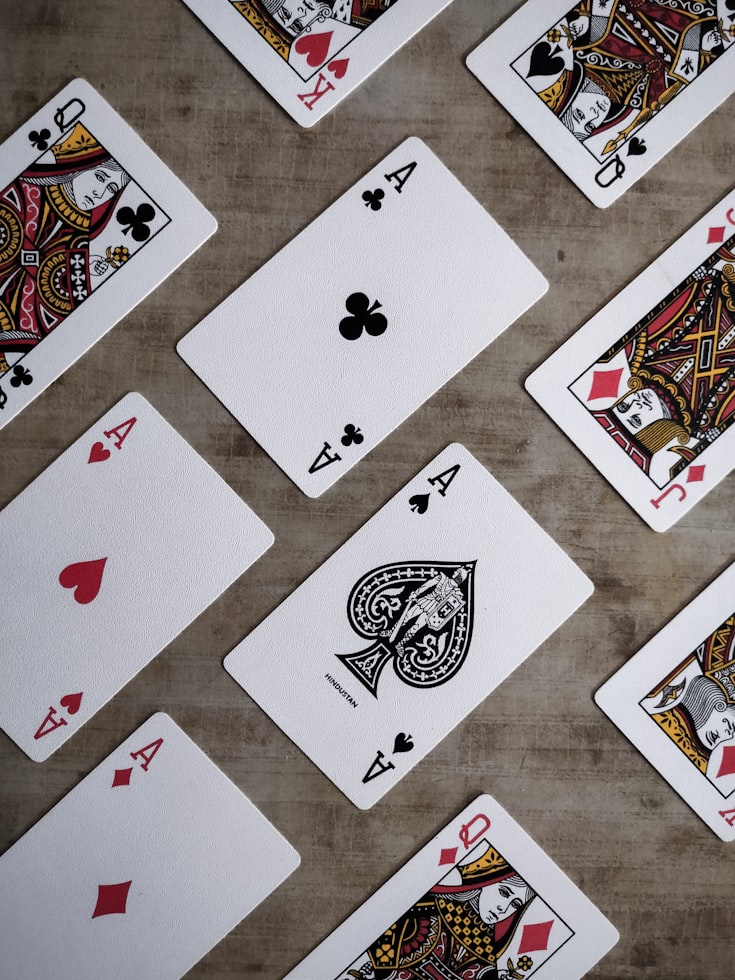
The blend of skill and luck creates a unique dynamic in many casino games. While luck may determine the cards dealt or the spin of a wheel, it’s the skill of the player that can capitalize on favorable situations or mitigate the impact of bad luck. This interplay means that the player’s choices are just as important as the outcomes dictated by chance, fostering a deeper layer of engagement and strategy in the gambling experience.
The Psychological Impact of Luck and Skill
The interplay between luck and skill generates varying psychological responses among players in the casino environment. When players win due to luck, they often feel a rush of excitement that can lead to overconfidence in their abilities. This sense of invincibility can cause players to gamble more recklessly, believing their lucky streak will continue. Such behavior highlights the cognitive biases inherent in gambling, where short-term wins overshadow long-term probabilities and outcomes.
Conversely, when skill leads to victory, the player may experience safety in the knowledge that their performance is replicable. Skilled players tend to have a more analytical approach, focusing less on superstitions and more on their strategies and decision-making processes. This understanding of their skill set can foster a sense of control that enhances their overall experience, providing motivation to refine their expertise further.
The psychological aspect of luck versus skill ultimately shapes player experiences and behaviors in casinos. Recognizing how these elements influence feelings of success and failure can help players make more mindful decisions. For instance, understanding the limitations of luck can encourage players to adopt a more strategic approach, focusing on improving their skills while managing their expectations regarding outcomes dictated by chance.
Balancing Luck and Skill for a Sustainable Gaming Experience
For a sustainable and enjoyable casino experience, finding a balance between luck and skill is vital. Acknowledging that both elements play roles in gaming can help players set realistic expectations. By engaging in games where skill can enhance outcomes, players can enjoy the thrill of competition while minimizing the risks associated with games of pure chance. This balanced approach allows for a more rewarding experience in the long run.
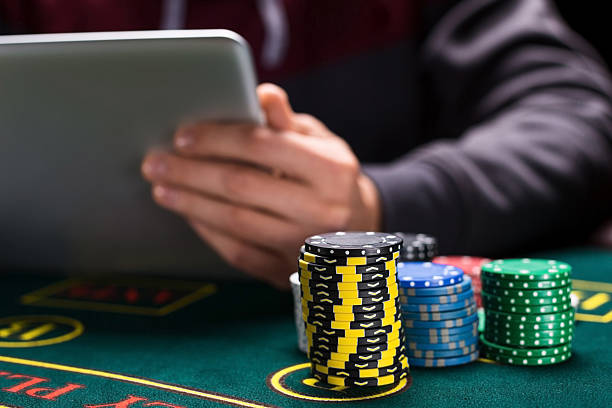
Additionally, players are encouraged to develop their skills through practice and education. Learning the strategies behind skill-based games can provide a sense of empowerment, turning gambling from mere luck into a more strategic endeavor. Many casinos offer resources and tutorials that allow players to improve their skills, which can lead to greater confidence and enjoyment during gameplay.
Ultimately, the journey through the casino landscape should be one of enjoyment and learning. Emphasizing skill development while understanding the unpredictable nature of luck can create a well-rounded approach to gambling. This perspective fosters responsible gaming habits and enhances players’ overall experiences in their casino ventures.
Final Thoughts on Luck and Skill in Casino Gaming
Understanding the balance between luck and skill in casinos is integral for both new and experienced players. Each game offers unique experiences and challenges that appeal to various gaming preferences. By appreciating the roles of these elements, players can engage more mindfully with their gaming choices, working towards striking a balance that suits their style and preferences.
Moreover, being aware of the psychological influences that luck and skill can have on players helps to cultivate a more responsible gambling mindset. By focusing on personal control and the influence of skill, players can protect themselves against the pitfalls of overly relying on luck, which often leads to disappointment and financial loss.
As the landscape of casinos continues to evolve with new games and technologies, maintaining this understanding will provide players with valuable insights into their gaming journeys. Whether they seek the thrill of random outcomes or the challenge of strategic play, a well-informed approach to luck and skill will enhance their experiences in the world of casinos.