The Nature of Luck in Gambling
Luck is frequently depicted as a mysterious force that impacts outcomes in gambling. Many players harbor the belief that luck can be harnessed or influenced, contributing to the widespread idea that personal fortunes can be altered through sheer chance. However, the reality is that luck is a concept based on randomness within the gambling landscape, especially in venues offering casino fast withdrawal options, where outcomes are largely dictated by random number generators and intricate algorithms. This inherent randomness indicates that no amount of belief in luck can change the fundamental mechanics of the game.
Consider, for instance, that some gamblers engage in specific rituals or carry certain lucky charms, firmly convinced that these practices will sway their success at tables or machines. While these behaviors might provide a psychological uplift or a sense of control, they do little to affect the actual odds of winning. Understanding that luck does not operate as an omnipotent force can enable players to approach gambling with a clearer perspective, prioritizing strategies and probabilities over reliance on luck alone.
Moreover, the perception of luck can vary significantly depending on personal experiences and circumstances. A player may feel fortunate after a winning streak, while a string of losses can lead to a negative outlook. This subjective experience of luck often clouds rational judgment, resulting in behaviors such as chasing losses or increasing bets in the hope of reviving a perceived lucky streak. Recognizing that luck is a fleeting and unreliable element can promote more rational decision-making, thereby enhancing the overall gambling experience.
The Fallacy of Hot and Cold Streaks
One prevalent myth in gambling revolves around the belief in hot and cold streaks, where players assume that after a series of wins, a loss is imminent, or that a game is “due” for a win following several losses. This misunderstanding stems from a lack of comprehension regarding the nature of random events. In reality, each event in gambling operates independently of prior outcomes. For example, in a game of roulette, the result of each spin does not depend on the spins that preceded it. This misconception can lead players to adopt faulty strategies that disregard the fundamental principles of probability.
The notion of streaks can also give rise to the gambler’s fallacy, a cognitive bias that leads players to believe that past events will influence future outcomes. Following a series of losses in poker, for instance, a player might increase their bets, convinced that a win is overdue. This can lead to significant financial setbacks, as the odds remain unchanged regardless of previous results. Gaining an understanding of the independence inherent in each bet or game can empower players to make more informed decisions based on reality rather than fallacy.

Additionally, casinos are designed to exploit these mistaken beliefs. Through creating immersive environments filled with lights, sounds, and celebratory displays, they encourage players to engage more deeply with the games, intensifying emotional responses to wins or losses. This emotional involvement can further entrench beliefs in hot and cold streaks, reinforcing gamblers’ perceptions and driving them to continue playing, often against their better judgment. Acknowledging this manipulation can empower players to adopt a more analytical and reasoned approach to gambling.
Superstitions and Their Influence
Superstitions hold a prominent place in the culture of gambling, with many players adopting various beliefs about luck that they believe could influence their success. From wearing specific outfits to performing particular rituals, these superstitions can offer comfort or psychological reinforcement. However, these practices rarely have any substantial effect on the outcome of a game. The reliance on superstitions often detracts from a fundamental understanding of the actual mechanics and mathematics that underlie gambling.
Interestingly, while rational thinkers may dismiss these beliefs, they persist within the gambling community. For example, some players might swear by certain “lucky” numbers or prefer specific seating positions at a table, convinced that these elements play a role in enhancing their luck. Such practices are observed across various cultures, revealing how deeply ingrained the need for luck and superstitions are in human psychology. It is essential for players to differentiate between enjoyable rituals and those that may lead to poor decision-making.
Recognizing the psychological basis for these beliefs is crucial in understanding their potential downsides. When players attribute their wins or losses to superstitions, they may overlook more effective strategies for managing their gameplay, such as bankroll management and familiarity with the odds. By shifting the focus from luck-based beliefs to skill development and strategic planning, players can enhance their gambling experience in a more rewarding and sustainable manner.
The Role of Skill vs. Chance
The debate between skill and chance is a frequent topic in the gambling world, leading some to assert that luck is the primary factor in determining success. While chance undeniably plays a significant role in many games, particularly in slots and lotteries, skill can be paramount in others, such as poker or blackjack. Players who dedicate time to learning strategies, practicing probability calculations, and understanding game dynamics often achieve better long-term results. This distinction highlights the importance of recognizing the interplay between skill and luck for achieving consistent success.
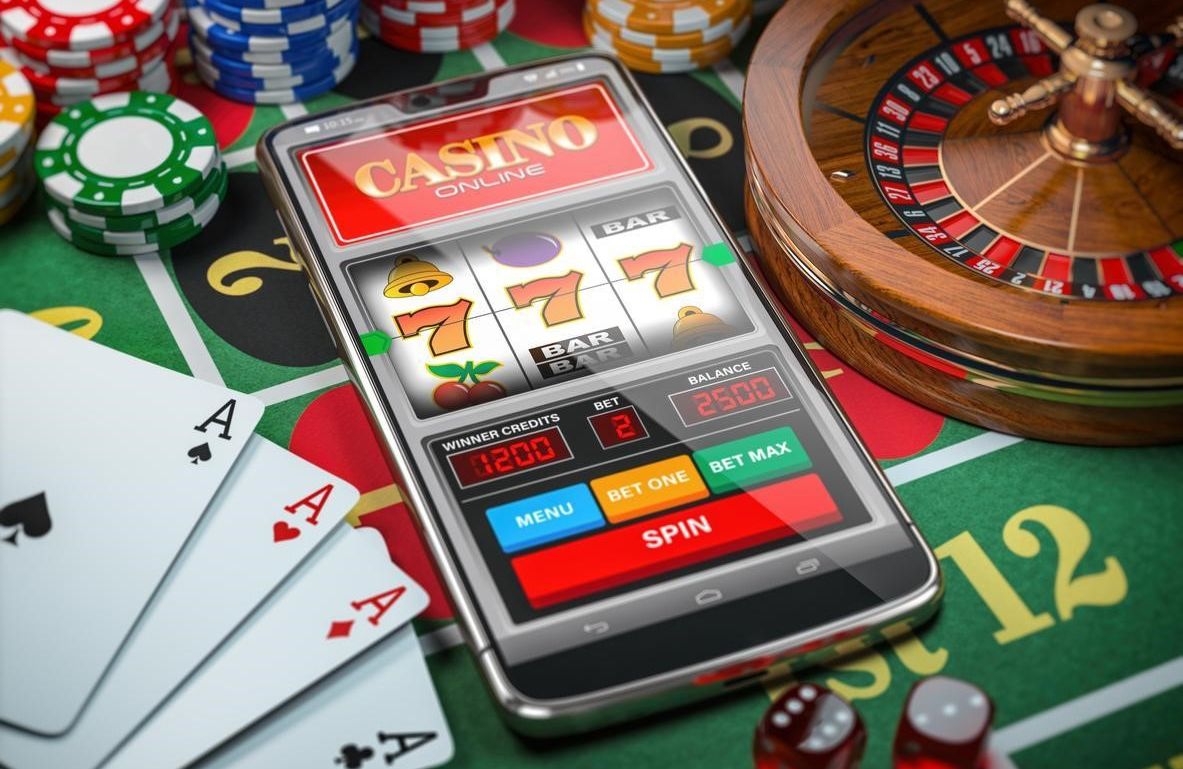
In the case of poker, for example, seasoned players utilize strategies rooted in game theory and human psychology to make informed decisions that can tilt the odds in their favor. Although luck might facilitate short-term wins, it is often skillful play and astute decision-making that yield sustained success. Players who depend solely on luck may find themselves at a disadvantage against more skilled opponents. Consequently, emphasizing skill development can provide a more sustainable approach to achieving success in gambling.
Moreover, various educational resources, training tools, and practice strategies can significantly enhance a player’s competitive ability. Those who invest time in developing their skills frequently discover that they can mitigate the random aspects of gambling and make decisions that improve their odds. Acknowledging the balance between luck and skill allows players to view gambling as more than just a game of chance; rather, it can be seen as a skill-based endeavor that can be mastered through dedication and knowledge.
Conclusion and Insights on Gambling Websites
As players navigate the complexities of the gambling world, understanding the myths surrounding luck can greatly enrich their experiences. By debunking common misconceptions about the influence of luck, the fallacy of hot and cold streaks, and the effects of superstitions, players can approach gambling with a more informed and strategic mindset. Recognizing the blend of skill and chance enables better decision-making, ultimately leading to a more rewarding gambling experience.
Furthermore, the wealth of resources available on gambling websites plays a crucial role in this educational journey. Many platforms offer comprehensive guides, tutorials, and articles that delve into game strategies, odds, and insights into player psychology. These resources not only clarify the gambling process but also empower players to make more informed choices. By leveraging these insights, individuals can transition their focus from luck-based beliefs to skill development, ensuring a more sustainable and enjoyable gambling journey.
Ultimately, as players become more aware of the realities of gambling, they can better manage their expectations, improve their gameplay, and have a more enjoyable experience overall. Whether through understanding the dynamics of luck, the importance of skill, or the psychological influences at play, knowledge is the key to transforming gambling from a mere game of chance into a more strategic and fulfilling pursuit.